PROUDLY SERVING OUR VETERANS - CLICK HERE




2345 Fletcher Pkwy
El Cajon, CA 92020

Migraine Chiropractor in El Cajon, CA
If migraines are a regular part of your life, you know how much they take from you. The pain, the lost days, the feeling of waiting for it to pass. At our chiropractic office in El Cajon, CA, we work with migraine patients ready to stop managing symptoms and start doing something about them.
Migraine/Headache Treatment El Cajon
Caruso Family Chiropractic El Cajon >> Conditions >> Migraine/Headache
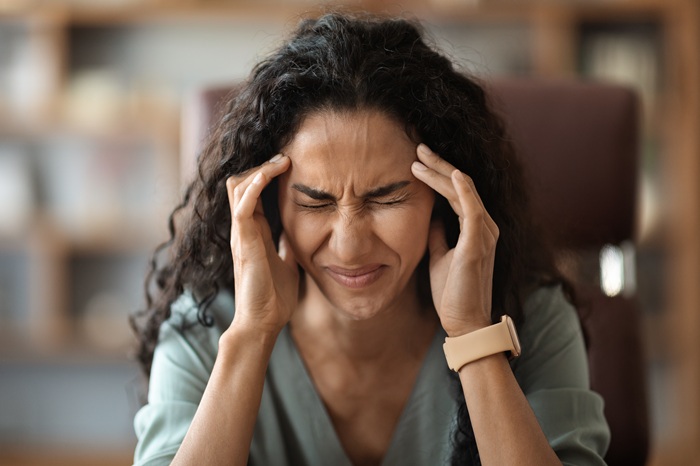
How We Help Migraines!
If migraines are a regular part of your life, you know how much they take from you. The pain, the lost days, the feeling of waiting for it to pass. Finding lasting relief can feel like a daunting journey with limited treatment options.
Traditionally, migraine treatments consist of pain management pills with terrible side effects that only address the episode after it starts. However, at Caruso Family Chiropractic in El Cajon, we work on reducing the underlying neck tension and nerve irritation that makes migraines more likely to happen in the first place, without medication or invasive procedures, through therapies such as:
Take the necessary steps towards migraine relief and improving your quality of life with an appointment at our El Cajon practice. Don't wait! Contact us at (619) 808-4550 to schedule your initial appointment and assessment.
What Can Happen If Migraines Are Untreated?
Living with migraines can have a tremendous impact on your life, from your emotional state to your ability to perform mundane tasks. Migraines are one type of pain that may worsen and become more frequent if left untreated.
So, what exactly can happen if migraines go untreated?
- More Frequent Episodes
- Increased Pain Severity
- Light and Sound Sensitivity
- Nausea and Visual Disturbances
- Neck Stiffness and Tension
- Sleep Disturbances
- Fatigue and Brain Fog
- Lost Work and Family Time
It's vital to address chronic migraines promptly to prevent potential issues. Many migraine sufferers have never been assessed for spinal tension or cervical misalignment, which means a very treatable contributing factor gets overlooked entirely. Dr. Caruso can help identify what is feeding your migraine pattern and develop a tailored plan that may include cervical adjustments, soft tissue therapy, posture correction, and lifestyle guidance. Begin proper care by scheduling an appointment today.
Make Your Health a Daily Priority
Our goal is not only to relieve your discomfort, but also to allow you to resume doing the things you love. We like to keep things simple, straightforward, and personalized, focusing on what's most important, your comfort and well-being.

We provide gentle, effective and personalized chiropractic care for individuals and families in El Cajon and the surrounding areas, giving each person the support they need to feel better and move with ease.
Quick links
Office Hours
Monday | 9 AM–6:30 PM
Tuesday | Closed
Wednesday | 9 AM–6:30 PM
Thursday | 1PM–6:30 PM
Friday | 9 AM–6:30 PM
Saturday | 9AM–12PM
Sunday | Closed
Contact Us
2345 Fletcher Pkwy
El Cajon, CA 92020
© 2026 Caruso Family Chiropractic